


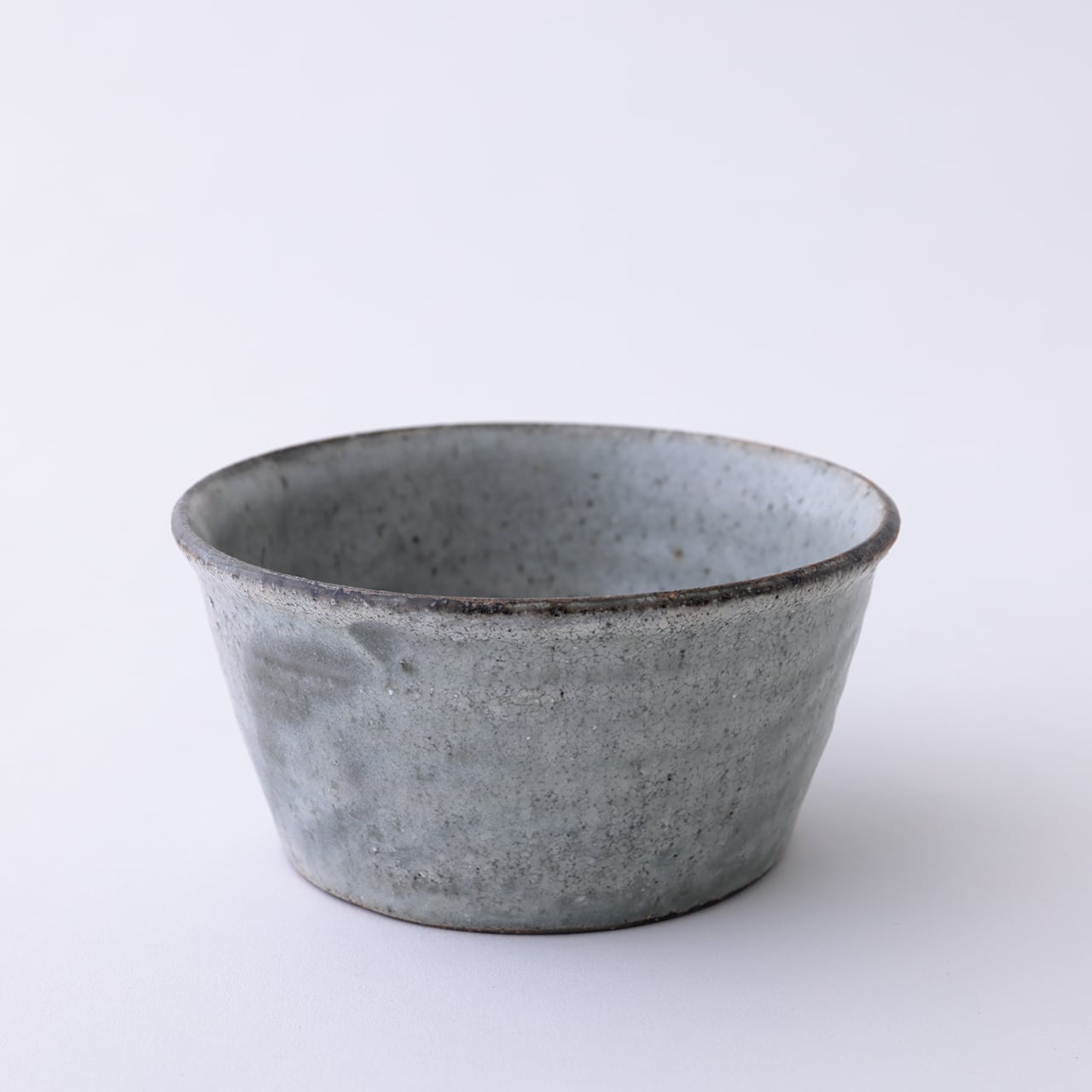
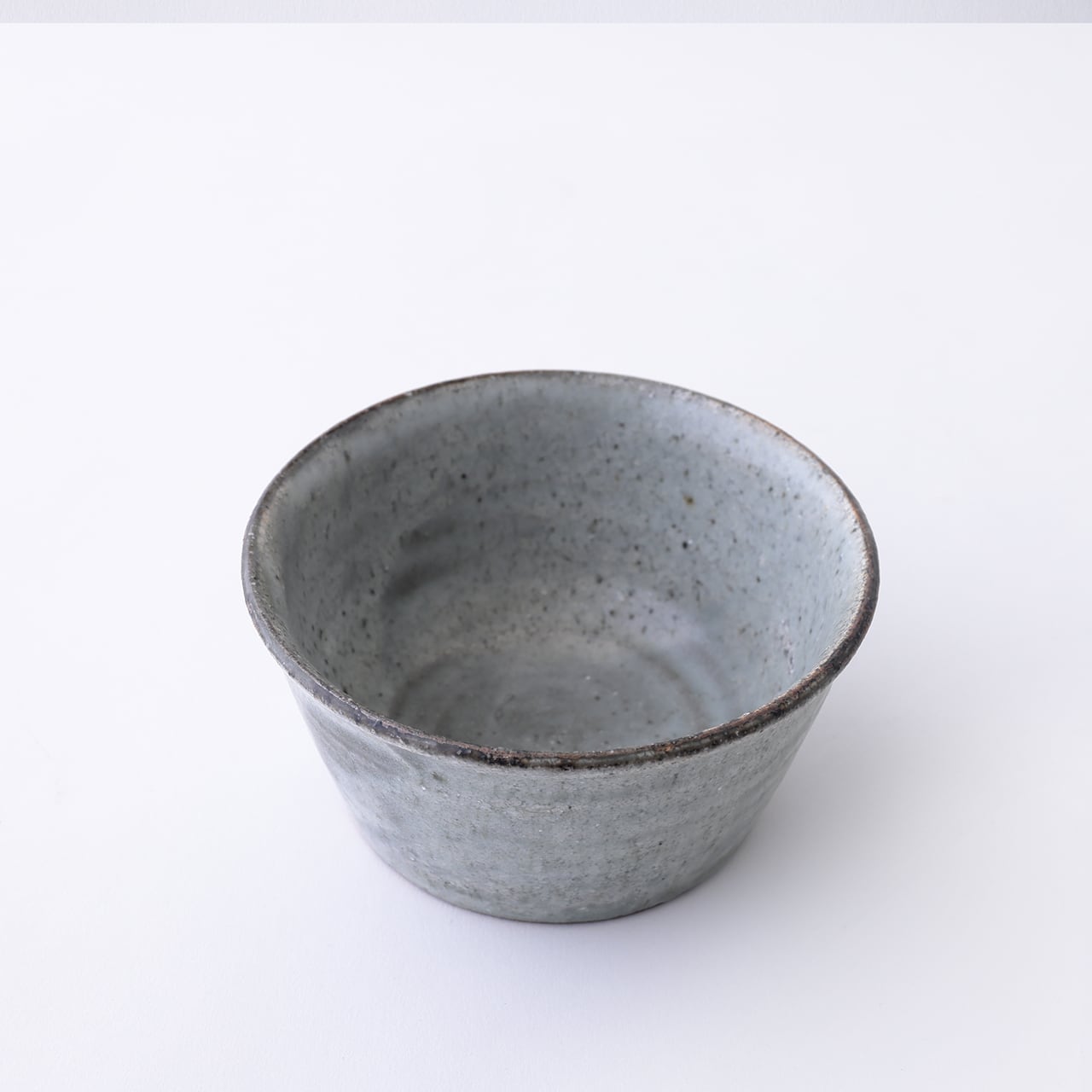
小野 鯛 丸鉢(小) Ono Tai, Round Bowl (Small)
¥5,500 ($34.69)
SOLD OUT
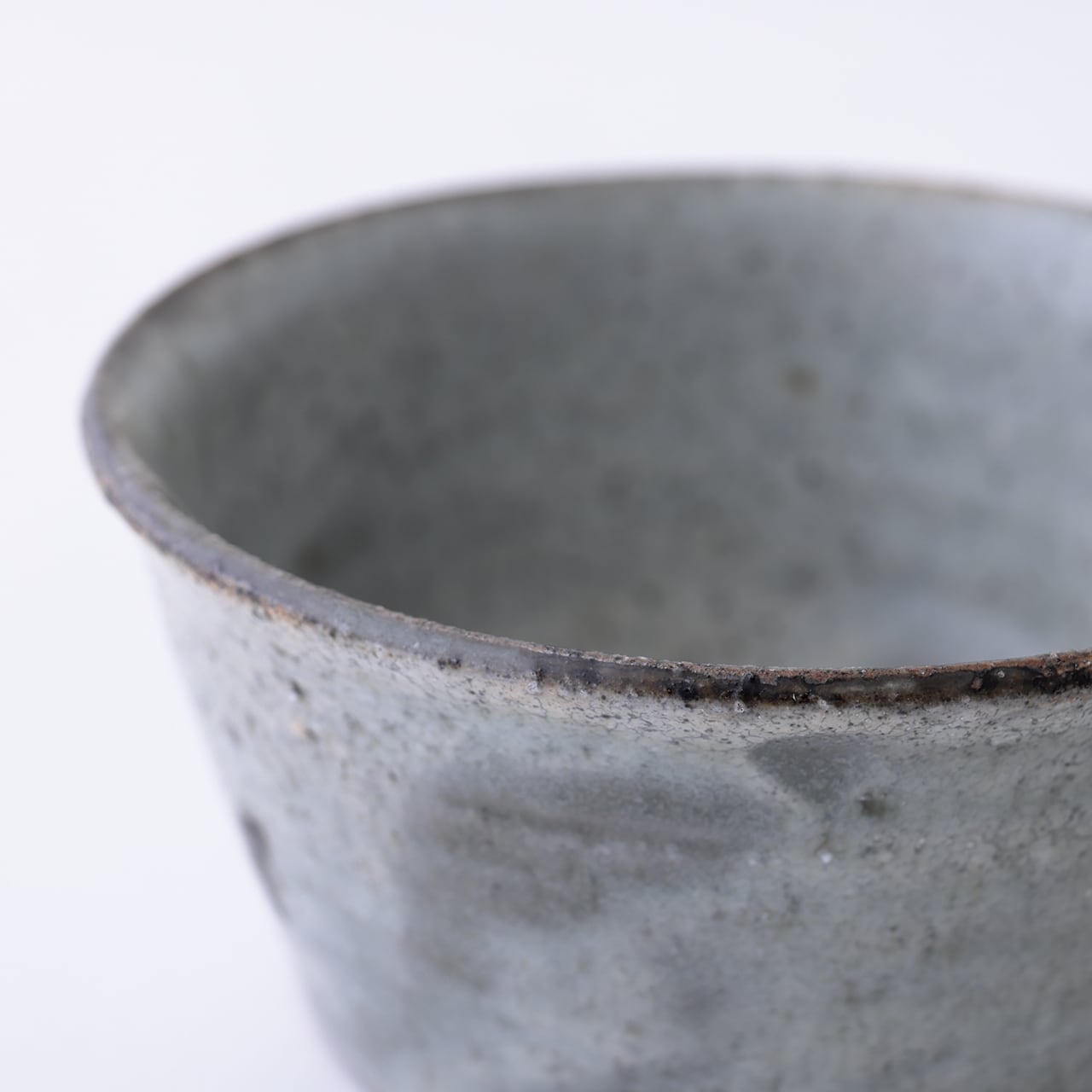
素焼きの後、白い化粧土を塗り、木を燃やした灰(土灰・どばい)の釉薬をかけて仕上げています。下地と化粧土のまだらな色合いが素朴で自然な風合いとなっています。
φ13.5cm・H7cm
写真=河上展儀
Photo by Kawakami Nobuyoshi
After bisque firing, the piece is coated with a white slip and finished with a glaze made from wood ash. The mottled hues of the base and the slip give it a rustic, natural look.
φ13.5 cm, H7 cm
小野鯛さん
Tai Ono
香北町谷相にアトリエを構える陶芸家の小野鯛さん。陶芸家の父と布作家の母のもとで育った鯛さん。父のもとで6年間修業した後、独立しました。修行の間に学んだことは「ものづくりへの姿勢」。鯛さんのものづくりの原動力になっているのが、反戦への思いです。「世の中で起きていることを自分の目で見て感じなければ」との思いから、イスラエル、パレスチナ、ヨルダンへ。そこで心を揺さぶられた経験が、現実を直視し、感じたものを作品に込めるという作品作りの土台になっています。
陶芸に使う土は、信楽産の粘土に近隣の山で採取した原土。「いろいろな場所を掘ってみて、近所の山の土が自分に合うものだった。原土が入ることで、均等でない面白い表現になるんです」。土によって釉薬の反応が変わるのも焼き物の面白さだと話します。釉薬を合わせたり化粧土を使ったりすることで個性的な表情が生まれています。これからの新しい出会いや経験が、新しい表現につながっていくことを、鯛さん自身が楽しみにしています。
Ceramic artist Tai Ono has a studio in Yaso, Kōhoku Town. Raised by a ceramic artist father and a textile artist mother, Ono trained under his father for six years before striking out on his own. What he learned during his apprenticeship was “an attitude toward craftsmanship.” The driving force behind Ono’s work is his anti-war sentiment. Driven by the belief that “I must see and feel what is happening in the world with my own eyes,” he traveled to Israel, Palestine, and Jordan. The experiences that moved him deeply there form the foundation of his creative process: facing reality head-on and infusing his work with what he has felt.
The clay he uses for his pottery consists of Shigaraki clay mixed with raw clay collected from nearby mountains. “I dug in various places and found that the soil from the nearby mountains suited me best. “Incorporating this raw clay creates an interesting, uneven texture.” She explains that the way the glaze reacts differently depending on the clay is part of the appeal of pottery. By blending glazes and using slip, she creates pieces with unique character. Tai herself looks forward to how future encounters and experiences will lead to new forms of expression.


-
 K+商店オリジナルギフトボックスA K+ Store Original Gift Box A¥2,500 ($15.77)
 -
 まぜこぜメモ 4点セット MAZEKOZE Memo(8×10cm) 50 sheets, 4-pack¥1,000 ($6.31)
 -
 小野鯛 そば猪口(小) Ono Tai Soba Bowl (Small)¥2,750 ($17.35)